Social program
Sunday 21st March 2027, 09:00 – 13:00
Garni Temple and Geghard Monastery
For all delegates and their accompanying partners arriving early.
Garni Temple and Geghard Monastery are among Armenia's most significant cultural and historical landmarks.
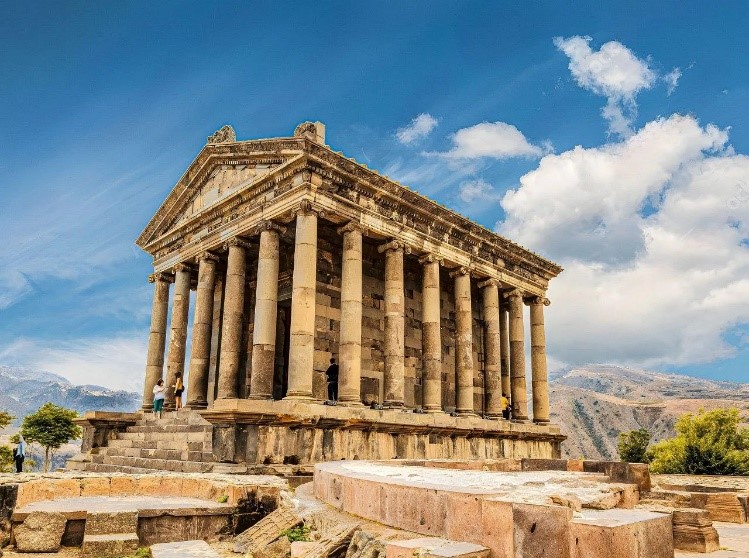
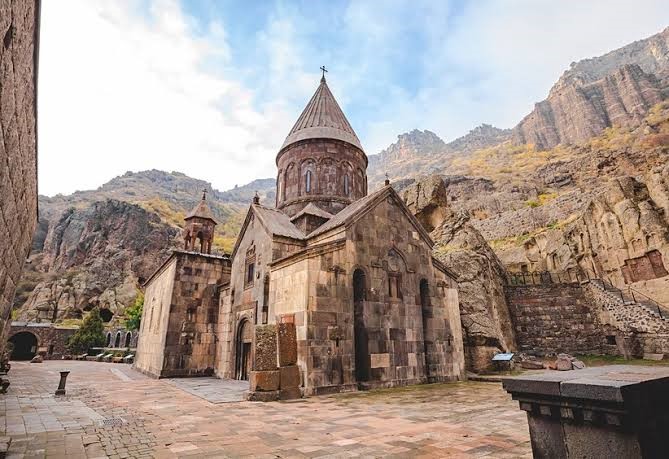
Dating back to the 1st century AD, Garni Temple is the country's best-preserved pre-Christian monument and the only surviving Hellenistic colonnaded temple in the region. Nearby, the UNESCO World Heritage Site Geghard Monastery, founded in the 4th century and largely constructed in the 13th century, is renowned for its distinctive rock-cut architecture and rich spiritual heritage.
Together, these iconic sites showcase Armenia's rich cultural heritage, reflecting the country's ancient pagan traditions and early Christian history.
Sunday 21st March 2027, 14:00 – 15:00
Matenadaran (Mesrop Mashtots Research Institute of Ancient Manuscripts)
For all delegates and their accompanying partners arriving early.
Mesrop Mashtots Matenadaran is a research institute and museum with a valuable manuscript collection. The history of Matenadaran comes from the depths of centuries because the basis of its collection is the manuscript collection of the Catholicos of All Armenians, Saint Etchmiadzin, which, before moving to Yerevan in 1939, was already called “Matenadaran” (this word means a repository of manuscripts, a storehouse of books, a collection). Armenian manuscripts have existed in the Armenian Catholicosate since the 5th century when Mesrop Mashtots established it. The Catholicosate has since been settled in different places but steadily maintained a collection of manuscripts. In 1441, the Catholicosate of Armenia was re-established in St. Etchmiadzin, laying the foundation for its library, the collection of which grew over the following centuries. The regulation of the manuscript collection and the numbering of the books in the Matenadaran of Etchmiadzin began in 1828 when the first brief list of manuscripts was compiled (312). Another more extensive manuscript list was compiled in 1837 (2340). In 1892, there were 3158 manuscripts in the Etchmiadzin Matenadaran, and 21 years later, in 1913, there were 4060 manuscripts.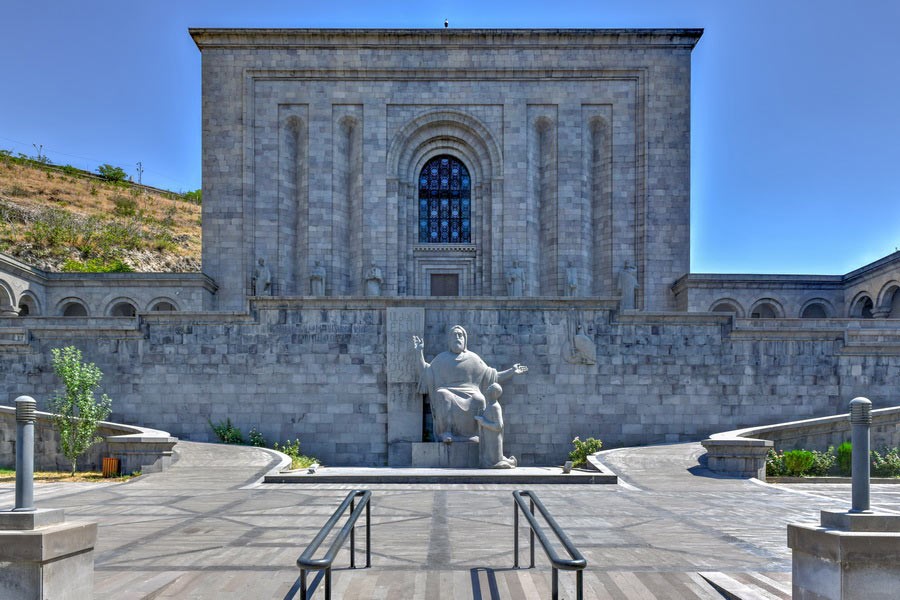
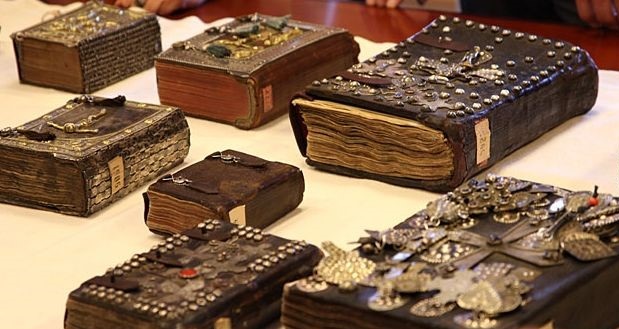
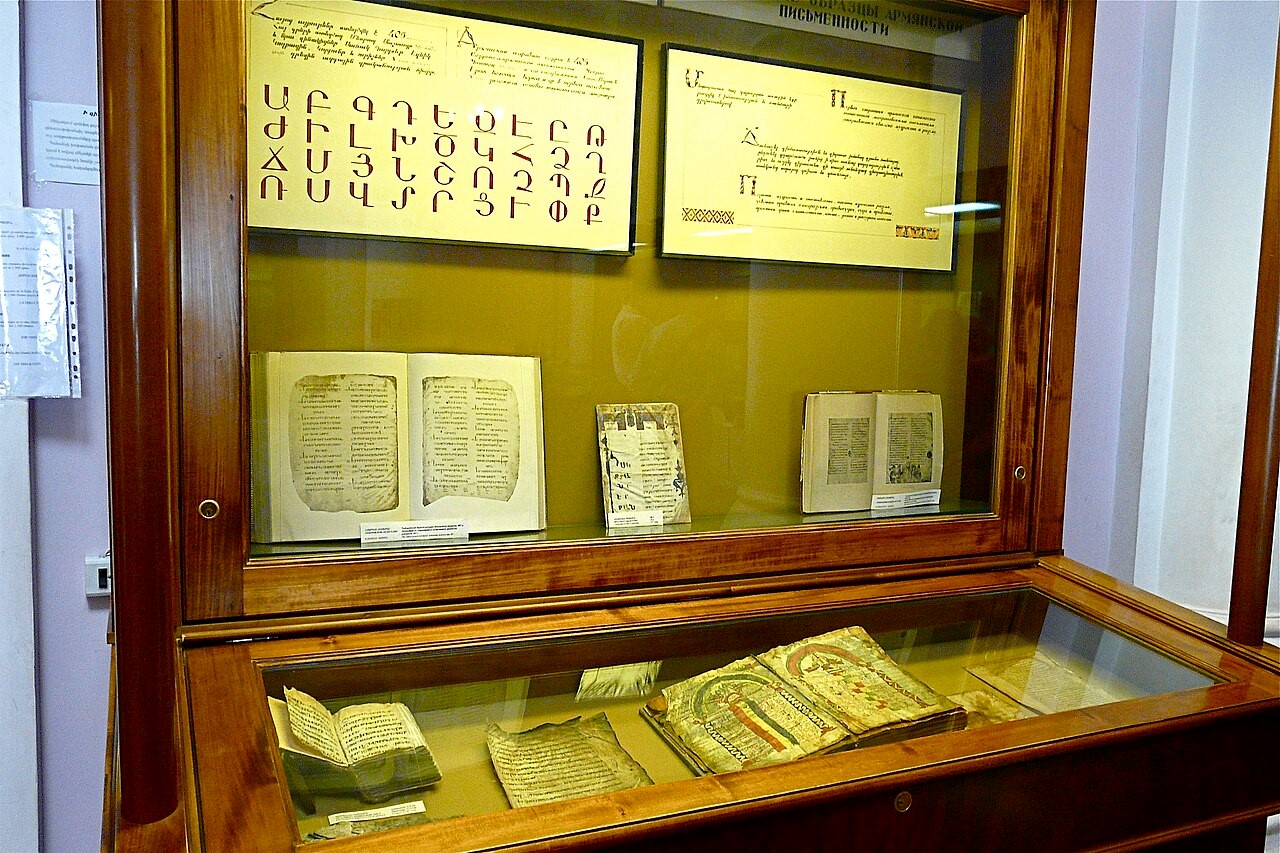
At the beginning of the First World War, in 1915, out of concern to protect the collection from the danger of war, it was moved to Moscow and kept in the local Armenian church (it was returned to Armenia in 1922). However, that war was devastating for Western Armenia. At the same time, the Armenian Genocide implemented in the Ottoman Empire dealt a tremendous blow to the Armenian culture and manuscript heritage, causing the irretrievable loss of thousands of books. However, with the efforts of Armenian Catholicos Gevorg V Surenyants (1911-1930) and several devoted people, it was possible to transfer to Etchmiadzin in 1915-1916 around 1600 manuscripts brought from Vaspurakan, Mush, Erzurum and saved in different ways.
After the Soviet regime, in 1920, the Matenadaran of Etchmiadzin Cathedral was nationalized by a decree on December 17. In 1939, the manuscript collection was moved to the State Library named after Al. Myasnikyan in Yerevan, which later became the Public Library and now is the National Library. During that time, the collection included 9,690 Armenian manuscripts and 675 manuscripts in foreign languages.
All Delegates
Monday 22nd March 2027, 19:30 - 22:30
Cultural evening - Armenia Wine Winery
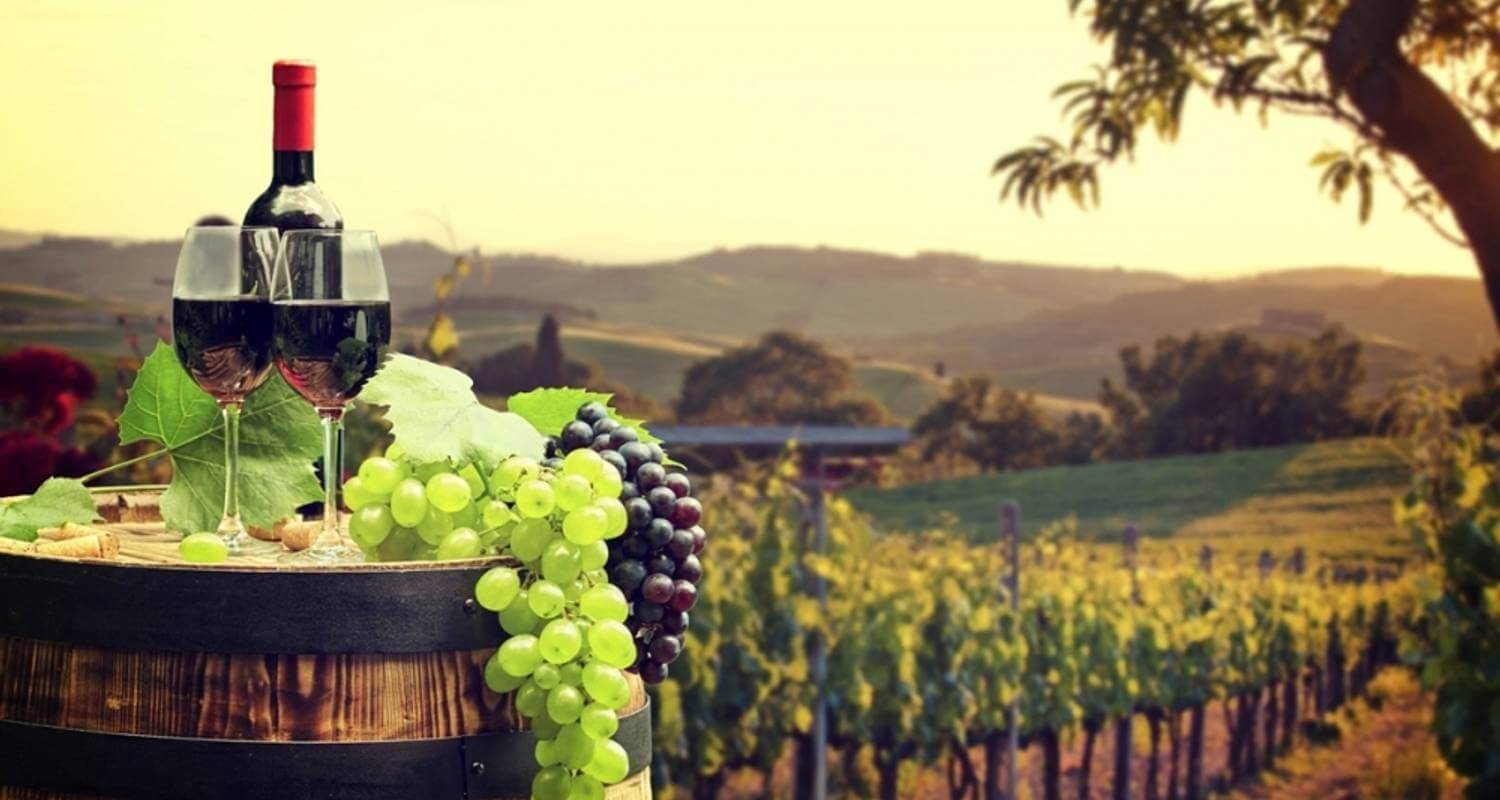
Armenia Wine Winery is one of the largest and most modern wineries in Armenia. It is located in the village of Sasunik, in the Armavir Province, approximately 30 minutes by car from Yerevan. Produces a wide range of red, white, rosé, and sparkling wines, as well as fruit wines. Combines traditional Armenian winemaking with modern European technology. Sources grapes from the Ararat Valley and other renowned Armenian wine-growing regions.
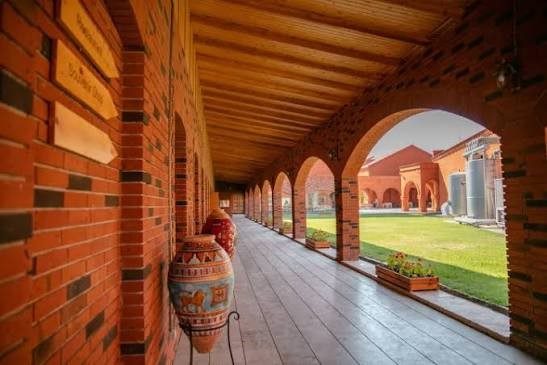
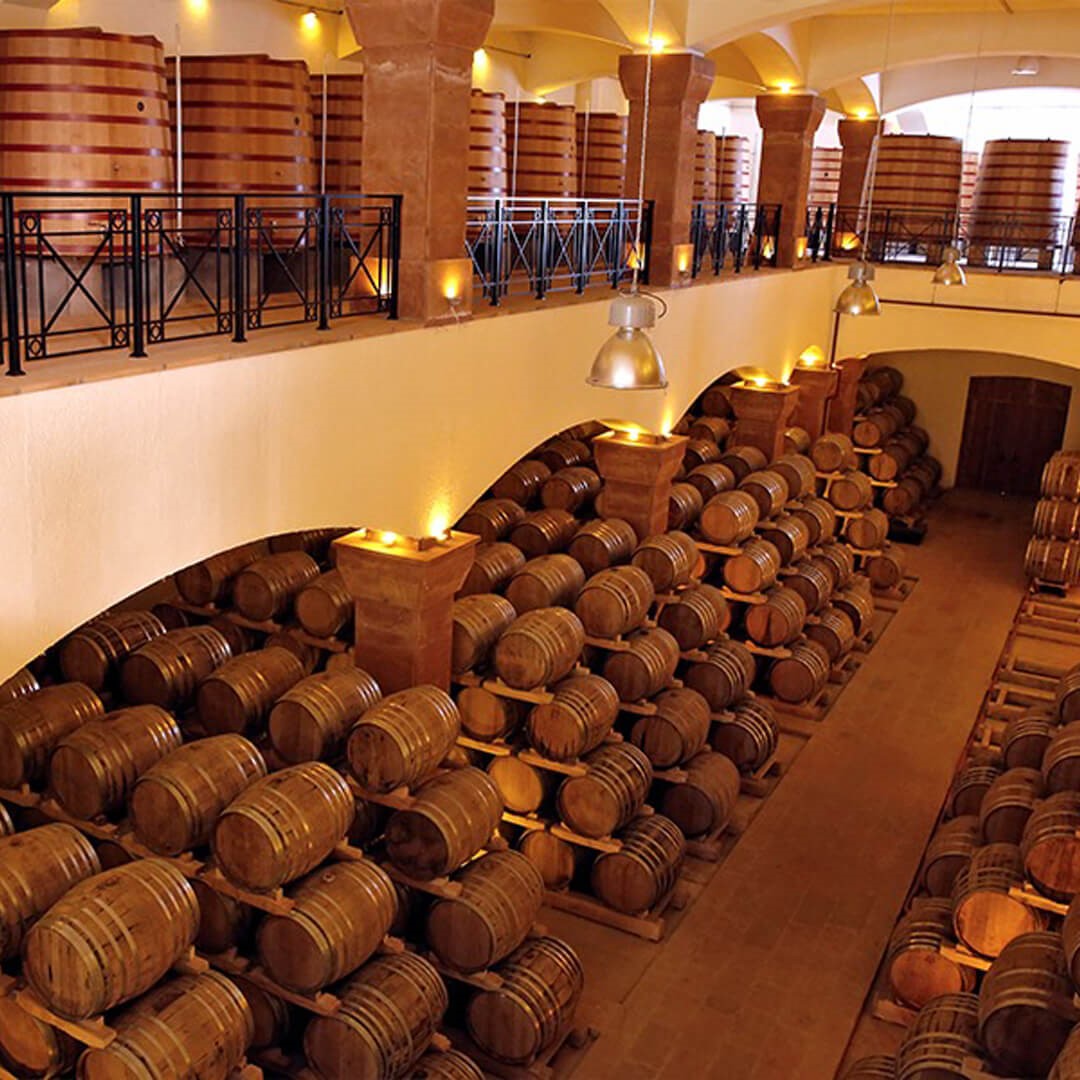
Visitors can enjoy:
- Guided tours of the production facilities.
- Visits to the wine cellars and barrel aging rooms.
- Professional wine tastings.
- An introduction to the history of Armenian winemaking.
- A gift shop offering wines and local products.
Dress code: Relaxed and Casual
All Delegates
Tuesday 23rd March 2027, 19:00 – 22:30
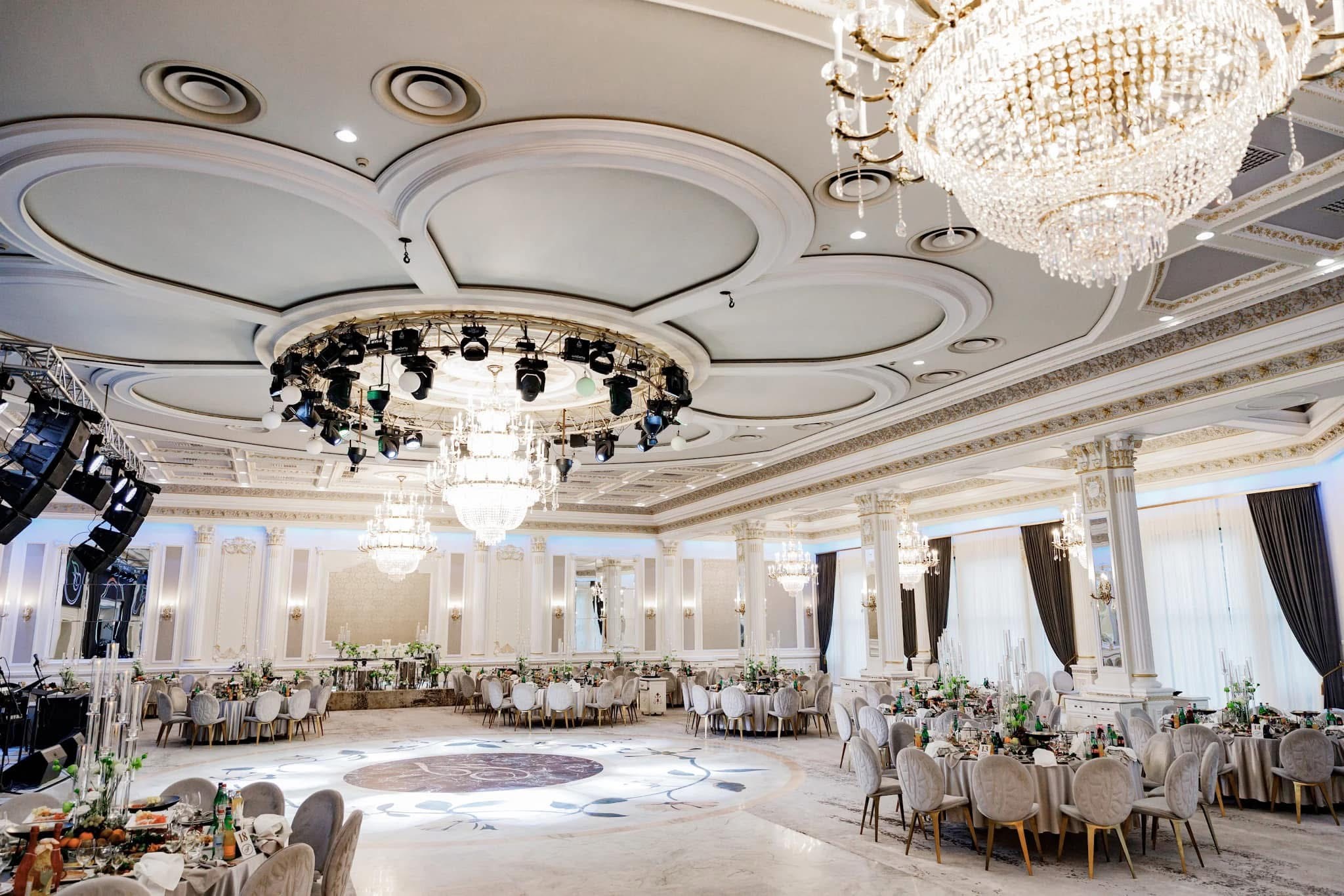
Formal Conference Dinner – Florence restaurant
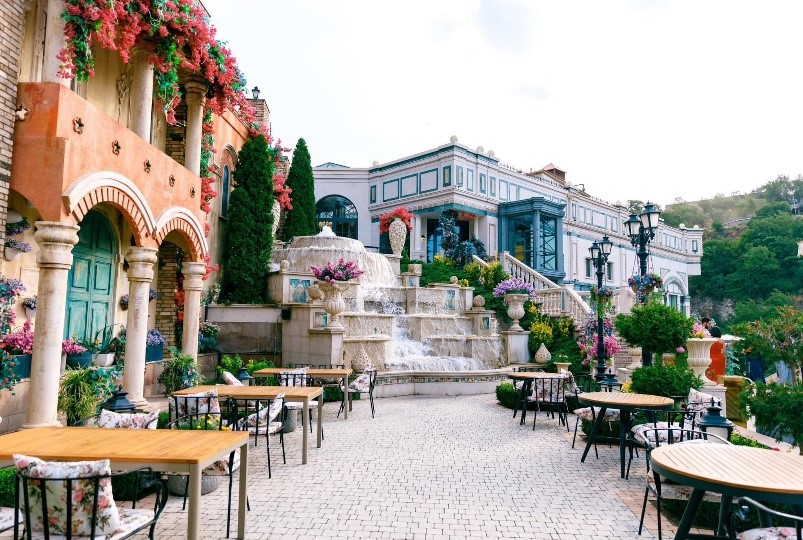
Florence Restaurant & Complex in Yerevan is a premium dining and event venue known for its luxury, upscale atmosphere, and blend of European and Armenian hospitality. It is highly popular for both high-end dining and grand celebrations.
Dress code: Formal